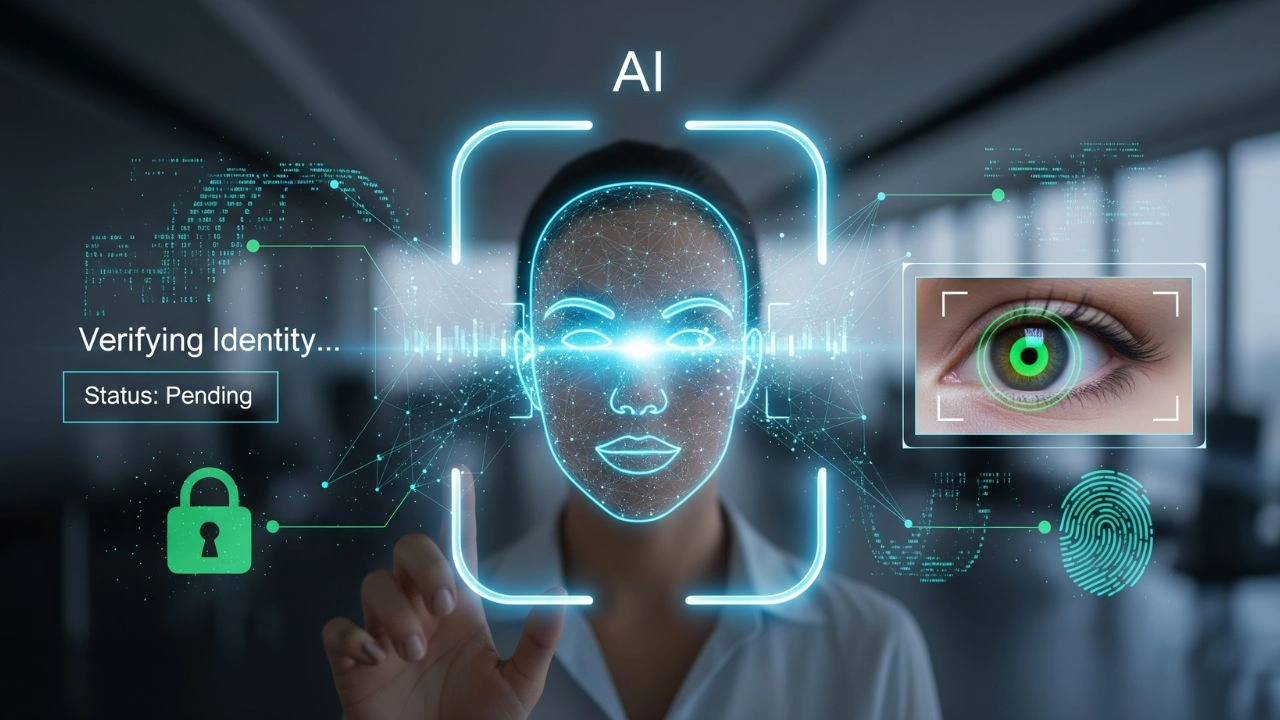
AI Identity Verification Systems: Across the world, governments are rapidly adopting AI-powered identity verification systems to manage public services, enhance national security, prevent fraud, and streamline digital governance. From biometric passports and facial recognition at borders to AI-based identity checks for welfare programs, digital IDs are becoming central to how states interact with citizens.
Supporters argue that AI identity verification improves efficiency, reduces crime, and enables faster access to services. Critics, however, warn of risks related to privacy, data misuse, surveillance, and algorithmic bias. As these systems expand, citizens are increasingly asking an important question: Who controls our digital identity—and how safe is it?
This article explains why governments are pushing AI identity verification, how these systems work, their benefits and risks, and what citizens should understand as AI-driven identity becomes part of everyday life.
What Is AI Identity Verification?
AI identity verification uses artificial intelligence technologies to confirm a person’s identity digitally. Unlike traditional ID checks that rely on physical documents, AI systems analyze data patterns to authenticate individuals in real time.
Common Technologies Used
- Facial recognition
- Fingerprint and iris scanning
- Voice recognition
- Behavioral biometrics (typing speed, device usage)
- Document verification with AI image analysis
AI compares biometric or personal data with government databases to determine whether an identity is genuine.
Why Governments Are Adopting AI Identity Systems
1. Rising Digital Fraud and Cybercrime
As government services move online, identity fraud has increased. Fake IDs, impersonation, and benefit fraud cost governments billions each year. AI systems can:
- Detect forged documents
- Identify duplicate or fake identities
- Flag suspicious activity in real time
This makes fraud prevention one of the strongest drivers behind adoption.
2. Expansion of Digital Public Services
Governments now provide services such as:
- Online tax filing
- Digital healthcare records
- Social welfare distribution
- Online voting pilots
AI identity verification ensures that only eligible individuals access these services, reducing administrative delays and manual verification.
3. Border Control and National Security
Many countries now use AI-powered identity checks at airports and borders. Facial recognition gates and biometric passports help authorities:
- Verify travelers faster
- Identify wanted individuals
- Prevent illegal entry
Governments argue this enhances national security without increasing human workload.
4. Population Growth and Urbanization
Managing large populations manually is inefficient. AI enables:
- Scalable identity management
- Faster onboarding of citizens
- Centralized digital identity records
This is especially relevant in countries with large or rapidly growing populations.
Read Also: AI Robo Explained: How Intelligent Robots Actually Work in the Real World
How AI Identity Verification Works (Simplified)
- Data Collection – A user provides biometric data (face scan, fingerprint, ID document).
- AI Analysis – Algorithms analyze features, patterns, and authenticity.
- Database Matching – Data is matched against government records.
- Risk Scoring – AI assigns a confidence or risk score.
- Decision Output – Access is approved, denied, or flagged for review.
The entire process often takes seconds, making it far faster than manual verification.
Global Examples of AI Identity Verification
India: Digital Identity Infrastructure
India’s large-scale digital ID system has enabled online access to banking, welfare, and healthcare. AI tools are increasingly used to detect duplicates and prevent misuse.
European Union: Digital Identity Wallets
The EU is developing standardized digital identity wallets that integrate AI-based verification while emphasizing data protection and consent.
United States: Border and Immigration Systems
AI facial recognition is widely used at airports and border checkpoints to verify travelers.
Africa and Southeast Asia
Several developing nations are using AI identity systems to ensure welfare benefits reach the right recipients and reduce corruption.
Benefits of AI Identity Verification for Citizens
Faster Access to Services
AI reduces waiting times for:
- Government approvals
- Welfare payments
- Travel documentation
Reduced Identity Fraud
Citizens are less likely to become victims of impersonation or stolen identities.
Improved Inclusion
Digital identity can help people without traditional documents gain access to essential services, especially in rural or underserved regions.
Cost Efficiency
Governments save money on paperwork and staffing, potentially reallocating funds to public welfare.
Major Risks and Concerns
1. Privacy and Surveillance
AI identity systems raise serious privacy questions:
- Who owns the data?
- How long is it stored?
- Can it be used for tracking citizens?
Without strong laws, these systems can enable mass surveillance.
2. Data Breaches and Cybersecurity
Centralized identity databases are high-value targets for hackers. A breach could expose:
- Biometric data (which cannot be changed)
- Personal information
- Government records
Unlike passwords, biometric data cannot be reset once compromised.
3. Algorithmic Bias and Discrimination
AI systems can reflect biases present in training data. Studies have shown that some facial recognition systems perform less accurately for:
- Women
- Elderly individuals
- Certain ethnic groups
This can lead to false rejections or unfair treatment.
4. Lack of Transparency
Many AI identity systems operate as “black boxes,” meaning:
- Citizens don’t know how decisions are made
- Errors are difficult to challenge
- Accountability is unclear
This undermines trust in public institutions.
The Legal and Ethical Landscape
Growing Demand for AI Regulation
Governments introducing AI identity systems are also facing pressure to regulate them responsibly.
Key regulatory principles include:
- Data minimization
- Purpose limitation
- Consent and user control
- Independent audits
Countries without strong legal safeguards risk public backlash and legal challenges.
Human Oversight Is Essential
Experts emphasize that AI should assist—not replace—human decision-making. There must always be:
- Appeal mechanisms
- Manual review options
- Clear accountability
Human oversight ensures fairness and trust.
What Citizens Should Know and Do
Understand Your Rights
Citizens should know:
- What data is collected
- How it is used
- How to request corrections or deletion
Demand Transparency
Public awareness and media scrutiny play a vital role in ensuring responsible use.
Support Balanced Policies
AI identity systems should balance:
- Security
- Efficiency
- Individual freedoms
Public engagement helps shape better policies.
Read Also: AI and the Future of Work: Essential Skills You’ll Need in the Next 10 Years
Future Trends in AI Identity Verification
Decentralized Digital Identity
Instead of centralized databases, future systems may allow individuals to control their own identity data using secure digital wallets.
Privacy-Preserving AI
New techniques like federated learning and zero-knowledge proofs aim to verify identity without exposing raw data.
Cross-Border Digital IDs
International standards could allow identities to be verified securely across countries.
Will AI Identity Verification Become Mandatory?
In many countries, AI-based verification is gradually becoming unavoidable for:
- Travel
- Banking
- Welfare access
- Government services
The challenge is ensuring that mandatory systems remain fair, transparent, and accountable.
Conclusion: A Powerful Tool That Demands Responsibility
AI identity verification systems offer undeniable benefits: efficiency, security, and improved public services. However, they also carry significant risks if implemented without proper safeguards.
The future of digital identity should not be built on blind trust in technology alone. It must be grounded in:
- Strong laws
- Ethical AI design
- Transparency
- Citizen rights
When used responsibly, AI identity verification can empower societies. When misused, it can undermine freedom and trust. The choices governments make today will shape digital citizenship for decades to come.
2 thoughts on “Governments Push for AI Identity Verification Systems: Benefits, Risks, and What Citizens Must Know”