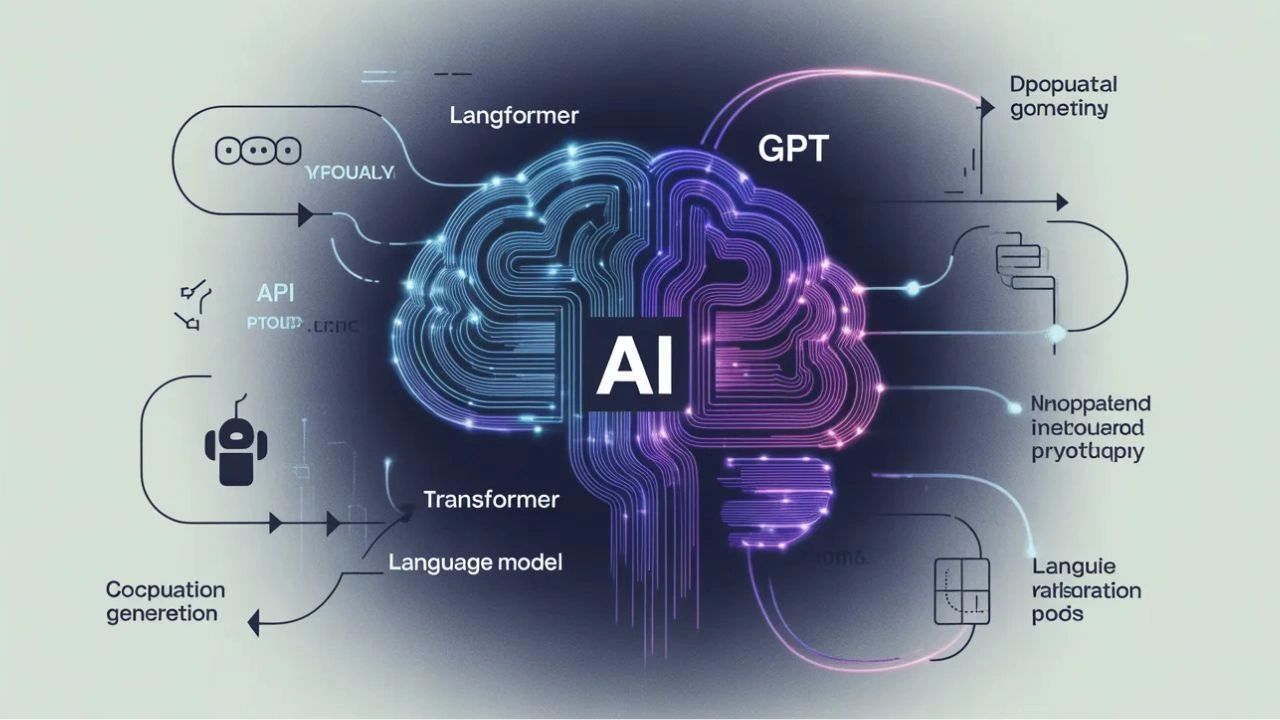
Generative AI is redefining how machines understand, generate, and interact with human language at scale.
Generative Artificial Intelligence (AI) has rapidly evolved from a research concept into a core technology powering modern Natural Language Processing (NLP) systems. From chatbots and virtual assistants to content generation and language translation, Generative AI is fundamentally changing how humans and machines communicate.
Understanding Generative AI in the Context of NLP
Generative AI refers to a class of artificial intelligence models designed to create new content rather than simply analyze existing data. In NLP, this means generating human-like text, conversations, summaries, translations, and even code.
Unlike traditional NLP systems that relied heavily on rule-based logic or statistical methods, Generative AI leverages deep learning models—particularly transformer-based architectures—to understand language patterns, context, intent, and semantics at an unprecedented level.
The key breakthrough lies in training models on massive datasets containing diverse linguistic structures, allowing them to predict and generate text that feels natural, coherent, and contextually relevant.
The Role of Large Language Models (LLMs)
At the heart of Generative AI for NLP are Large Language Models (LLMs). These models are trained on billions—or even trillions—of words sourced from books, articles, websites, and conversations.
LLMs enable machines to:
- Understand contextual meaning instead of isolated keywords
- Generate grammatically correct and semantically rich responses
- Adapt tone, style, and intent dynamically
- Handle ambiguity and nuanced human language
This shift from keyword-based NLP to context-aware language modelling marks a turning point in how digital systems interpret and respond to human input.
Read Also: How AI Increases Efficiency in Solar Panels and Maximizes Clean Energy Output
Text Generation and Content Creation
One of the most visible applications of Generative AI in NLP is automated text generation. These systems can produce high-quality written content that closely resembles human writing.
Key use cases include:
- Blog posts and news articles
- Marketing copy and ad descriptions
- Product descriptions for e-commerce
- Social media captions and emails
What makes Generative AI powerful is not just speed, but contextual relevance and adaptability. Content can be customized based on audience, industry, tone, or platform—something traditional automation tools struggled to achieve.
For businesses, this translates into faster content workflows and consistent brand messaging at scale.
Conversational AI and Intelligent Chatbots
Generative AI has significantly enhanced conversational AI systems, making chatbots more natural, responsive, and helpful.
Modern NLP-powered chatbots can:
- Understand complex, multi-turn conversations
- Retain context across long interactions
- Respond with empathy and personalization
- Handle customer support, sales, and onboarding
Unlike older scripted bots, Generative AI chatbots generate responses dynamically, allowing them to address a wide variety of user queries without predefined templates.
This has revolutionized customer experience, reducing response times while maintaining high-quality interactions.
Language Translation and Multilingual NLP
Generative AI has dramatically improved machine translation by focusing on meaning rather than word-for-word substitution.
Advanced NLP models now:
- Preserve tone and cultural nuance
- Handle idioms and colloquial expressions
- Translate long-form content accurately
- Support low-resource languages more effectively
By understanding sentence structure and intent, Generative AI enables near-human-quality translations, making global communication more accessible and reliable.
This is especially impactful for international businesses, media organizations, and educational platforms.
Text Summarization and Information Extraction
Another powerful application of Generative AI in NLP is automatic text summarization. These systems can analyze large volumes of text and generate concise, meaningful summaries.
Applications include:
- News and article summaries
- Legal and medical document analysis
- Research paper abstracts
- Business reports and meeting notes
Generative models excel at identifying key themes, entities, and insights, helping users save time while retaining essential information.
In data-driven environments, this capability significantly boosts productivity and decision-making.
Sentiment Analysis and Contextual Understanding
Traditional sentiment analysis often struggled with sarcasm, mixed emotions, or subtle tone changes. Generative AI overcomes these limitations by analyzing contextual language patterns.
Modern NLP systems can now:
- Detect sentiment across entire conversations
- Identify emotional intensity and intent
- Understand irony and indirect language
- Analyze customer feedback more accurately
This deeper understanding allows organizations to act on insights with greater confidence, particularly in marketing, customer support, and brand monitoring.
Question Answering and Knowledge Systems
Generative AI has transformed question-answering systems by enabling open-ended, natural language responses instead of rigid factual outputs.
These systems can:
- Answer complex queries conversationally
- Synthesize information from multiple sources
- Provide explanations instead of short answers
- Adapt responses based on user knowledge level
In enterprise settings, Generative AI-powered NLP systems are increasingly used as internal knowledge assistants, helping employees access information quickly and intuitively.
Personalization and Adaptive Language Models
Personalization is a major strength of Generative AI in NLP. Models can tailor responses based on:
- User preferences
- Past interactions
- Industry-specific terminology
- Cultural and regional language styles
This adaptive capability creates more engaging and relevant user experiences, whether in education, healthcare, e-commerce, or digital services.
Personalized NLP systems improve trust, retention, and overall satisfaction.
Ethical Considerations and Trustworthiness
While Generative AI offers immense benefits, it also introduces challenges related to accuracy, bias, and misinformation.
To ensure trustworthiness, responsible NLP systems must:
- Be trained on diverse and high-quality data
- Include human oversight and validation
- Clearly disclose AI-generated content
- Follow data privacy and compliance standards
Expertise and governance are critical to maintaining credibility and ensuring that Generative AI serves users ethically and transparently.
Read Also: How AI Will Reshape Jobs, Business, and Daily Life Faster Than Expected
The Future of Generative AI in NLP
The future of NLP is deeply intertwined with Generative AI advancements. Emerging trends include:
- More explainable and interpretable models
- Domain-specific language models for industries
- Improved real-time multilingual communication
- Stronger alignment with human values and intent
As models become more efficient and accessible, Generative AI will become a foundational layer of digital communication, powering everything from education to enterprise intelligence.
Why Generative AI Matters for Businesses and Users
Generative AI in NLP is not just a technological upgrade—it is a strategic advantage.
For businesses, it enables:
- Scalable communication
- Faster content creation
- Enhanced customer engagement
- Data-driven language insights
For users, it delivers:
- More natural interactions
- Faster access to information
- Personalized experiences
- Reduced language barriers
This mutual value creation is what makes Generative AI a defining innovation of the digital era.
1 thought on “How Generative AI Is Transforming Natural Language Processing (NLP)”