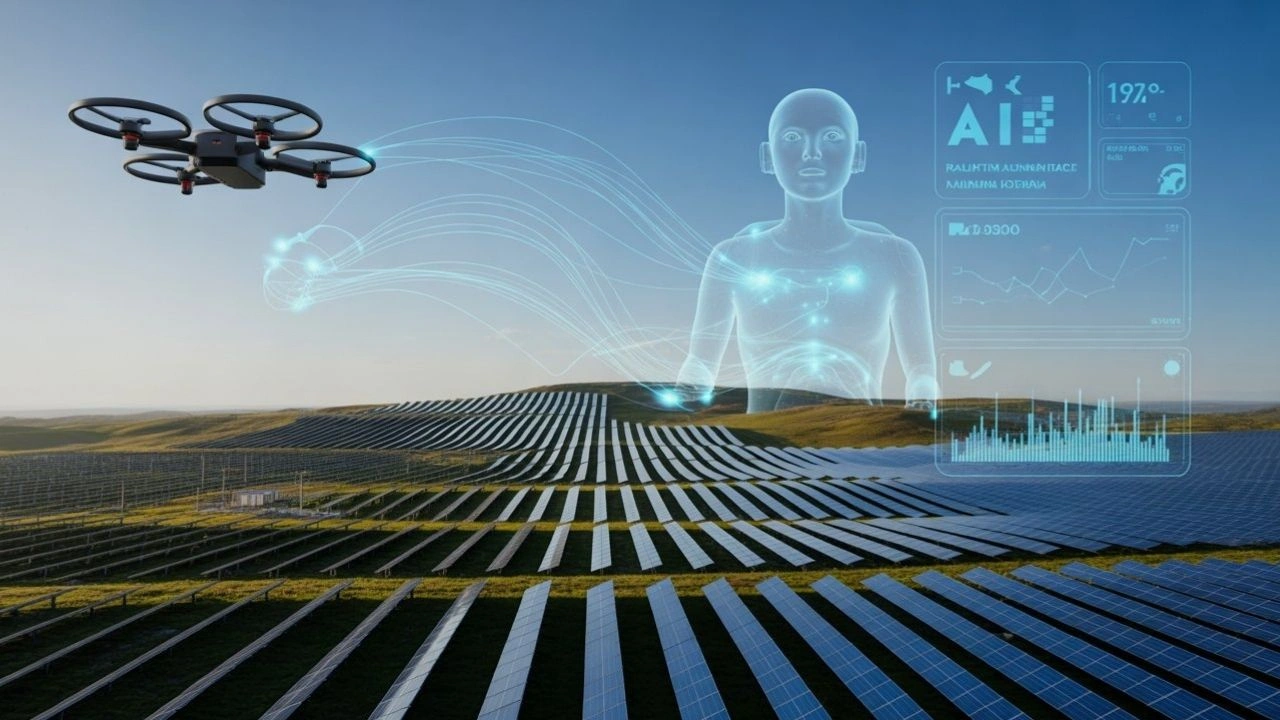
Introduction: Why Solar Power Needs Artificial Intelligence
Solar energy is one of the fastest-growing sources of electricity worldwide. However, solar power plants face unique challenges—intermittent sunlight, weather variability, equipment degradation, and grid integration issues. This is where artificial intelligence (AI) plays a critical role.
Today, AI tools are transforming solar power plants from passive energy generators into intelligent, self-optimizing systems. From predicting solar output to detecting faulty panels and stabilizing power grids, AI improves efficiency, reliability, and profitability.
This article explores the AI tools currently used in solar power plants, how they work, and why they are essential for the future of renewable energy.
The Role of AI in Modern Solar Power Plants
Solar power plants generate massive volumes of data every day—from panel performance to weather conditions and grid demand. AI helps operators turn this data into actionable insights.
Core Functions of AI in Solar Plants:
- Energy generation forecasting
- Predictive maintenance
- Performance optimization
- Grid balancing and storage management
- Operational cost reduction
AI does not replace engineers—it empowers them with better decision-making tools.
AI-Based Solar Forecasting Tools
Why Forecasting Matters
Solar output depends on sunlight, which varies with clouds, dust, humidity, and seasonal patterns. Accurate forecasting is essential for:
- Grid stability
- Energy trading
- Battery management
How AI Improves Solar Forecasting
AI tools use:
- Machine learning models
- Satellite imagery
- Weather prediction data
- Historical solar plant performance
These systems can predict power generation minutes, hours, and days in advance with high accuracy.
Common AI Techniques Used:
- Deep learning
- Time-series forecasting
- Computer vision for cloud movement
Better forecasts reduce energy waste and improve grid reliability.
AI Tools for Solar Panel Performance Monitoring
Real-Time Performance Analysis
AI continuously monitors:
- Voltage and current levels
- Panel temperature
- Inverter efficiency
- Power output anomalies
By comparing real-time data with expected performance, AI identifies underperforming panels instantly.
Benefits:
- Faster fault detection
- Reduced energy losses
- Higher plant uptime
Even a small performance improvement can significantly increase annual revenue for large solar plants.
Predictive Maintenance AI Tools
Moving Beyond Reactive Maintenance
Traditional maintenance relies on periodic inspections or failure-based repairs. AI enables predictive maintenance, identifying issues before breakdowns occur.
How Predictive Maintenance Works:
- AI analyzes historical failure patterns
- Detects early warning signs
- Predicts component lifespan
Common Issues Detected by AI:
- Panel degradation
- Inverter faults
- Cable and connector failures
- Dust and soiling effects
This approach reduces downtime, lowers maintenance costs, and extends equipment life.
Computer Vision AI for Solar Panel Inspection
Automated Visual Inspection
Drones equipped with cameras and AI models scan solar panels for:
- Cracks
- Hot spots
- Delamination
- Dirt accumulation
Why Computer Vision Is Essential:
- Faster than manual inspection
- Covers large solar farms efficiently
- Improves worker safety
AI-powered image analysis detects even microscopic defects invisible to the human eye.
AI Tools for Energy Storage and Battery Management
The Importance of Storage
Solar energy production doesn’t always match demand. Batteries store excess energy for later use. AI optimizes this process.
AI-Driven Battery Management Systems:
- Predict optimal charging times
- Prevent overcharging and deep discharge
- Extend battery life
- Balance load during peak demand
Smart storage management ensures maximum utilization of solar energy.
AI in Solar Inverters and Power Electronics
Modern inverters are becoming AI-enabled.
AI Capabilities in Inverters:
- Adaptive power conversion
- Fault detection and isolation
- Efficiency optimization
AI helps inverters respond dynamically to changing grid conditions, improving overall system stability.
Read Also: Dow to Cut 4,500 Jobs as AI and Automation Reshape the Company’s Future
Grid Integration and Smart Grid AI Tools
Managing Variable Renewable Energy
Solar power is variable, and grids require stable, predictable input. AI bridges this gap.
1. AI Tools for Grid Integration:
- Demand forecasting
- Load balancing
- Voltage and frequency control
Ensures AI that solar energy integrates smoothly into national power grids without disruptions.
AI Tools for Energy Trading and Market Optimization
Large solar plants participate in electricity markets.
AI Helps By:
- Predicting price fluctuations
- Optimizing energy dispatch
- Maximizing revenue
AI-driven trading platforms enable solar operators to sell power at the most profitable times.
AI-Based Weather Analytics for Solar Plants
Weather directly affects solar output.
AI Weather Analytics:
- Analyze satellite data
- Track cloud movement
- Predict storms and dust events
This allows plant operators to prepare proactively for weather-related disruptions.
Digital Twins: Virtual AI Models of Solar Plants
What Is a Digital Twin?
A digital twin is a virtual AI-powered replica of a physical solar power plant.
Benefits of Digital Twins:
- Simulate performance under different conditions
- Test upgrades without real-world risk
- Optimize design and operations
Digital twins help engineers experiment safely and improve efficiency continuously.
AI Tools for Solar Plant Design and Site Selection
AI is also used before construction begins.
AI-Driven Site Analysis:
- Sunlight exposure analysis
- Terrain evaluation
- Shading simulations
- Environmental impact assessment
This ensures maximum energy output and minimal land use conflicts.
Cybersecurity AI Tools in Solar Infrastructure
As solar plants become digital, cybersecurity risks increase.
AI Security Tools:
- Monitor network activity
- Detect intrusions
- Prevent cyberattacks
AI safeguards critical energy infrastructure from digital threats.
Benefits of AI Tools in Solar Power Plants
Operational Benefits:
- Higher efficiency
- Lower downtime
- Reduced maintenance costs
Environmental Benefits:
- Maximized clean energy output
- Reduced fossil fuel dependence
Economic Benefits:
- Improved ROI
- Stable energy pricing
- Better asset utilization
Challenges and Limitations of AI in Solar Energy
Despite its advantages, AI adoption has challenges.
Key Challenges:
- High initial investment
- Data quality issues
- Skilled workforce requirements
- Integration with legacy systems
Careful planning and responsible implementation are essential.
The Future of AI in Solar Power Generation
The future holds:
- Fully autonomous solar plants
- AI-driven microgrids
- Self-healing energy systems
- AI-optimized renewable energy ecosystems
As AI evolves, solar power plants will become smarter, cleaner, and more resilient.
Read Also: How AI Learns: The Science of Machine Learning Explained
What Solar Plant Operators Should Do Today
Operators should:
- Invest in data infrastructure
- Adopt scalable AI tools
- Train staff in AI literacy
- Partner with AI solution providers
Early adopters gain long-term competitive and sustainability advantages.
Conclusion: AI Is the Brain Behind Modern Solar Power
AI tools are no longer optional—they are essential for modern solar power plants. By enhancing forecasting, maintenance, storage, and grid integration, AI ensures solar energy reaches its full potential.
As the world transitions toward renewable energy, artificial intelligence will be the silent force powering a smarter, cleaner, and more sustainable future.